
Case Study: Heat Treatment Project for OEM Customer
Location: Atlantic Terminal, Baltimore, MD
Date: September 2022
Project Facts
Project Scope
- Heat treatment facility for vehicle export to Australia and New Zealand
Facility Size
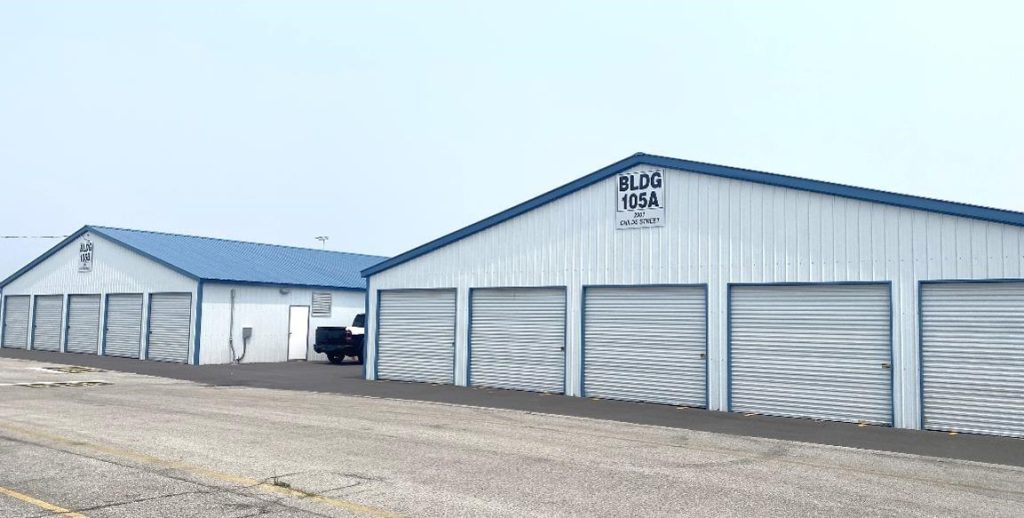
- 2 metal buildings, 60×120 sq. ft. each
Process Overview
- Total time: 1.5 to 2 hours, including heat-up and cool-down
- 30-minute heating period maintaining 133°F using remote sensors
- Capacity: Approximately 48 cars processed per cycle (24 per building, depending on vehicle size)
Operational Partners
- Orkin pest control operators
Key Equipment
- Insulated steel buildings with plug-in fans for heat circulation
- Remote thermostats monitored from a nearby trailer
- Propane heaters with hose setups for 6 heaters per building
The Problem
In 2022 one OEM customer faced a significant challenge: Australia and New Zealand had implemented stringent biosecurity regulations requiring all vehicles exported to these markets to undergo heat treatment. This was a novel regulatory mandate, and the customer’s existing export processes did not meet the requirements.
The OEM turned to Amports with the urgent problem: How to meet the new export standards and avoid disruption to their global supply chain?
Amports was the first to implement a heat treatment solution, setting a global standard.
The Solution
Amports engineers and logistics experts devised an innovative solution that not only addressed the regulatory requirements but also set a precedent for the automotive export industry.
Initial Approach and Challenges
- Proposal 1. Build a temporary shelter using A-10 tarpaulin
- Outcome. The fabric failed to retain heat effectively.
- Challenge Identified. Heat loss and inability to maintain consistent temperature were critical issues
- The Winning Approach. Permanent Metal Structures
Design and Build
- Opted for insulated steel buildings to ensure efficient heat retention
- Spray insulation applied to minimize heat loss and maintain consistent temperatures
- Due to permitting constraints the team designed two smaller buildings instead of one larger structure to streamline approval and construction
Engineering Features
- Installed plug-in fans for even heat distribution
- Equipped buildings with remote monitoring systems, allowing Orkin operators to track temperatures from a nearby trailer
- Integrated propane heaters with enough hoses to power six heaters per building, ensuring rapid and uniform heat-up
Process Implementation
- Vehicles were loaded into the buildings and subjected to a 30-minute heat treatment at 133°F, monitored by advanced sensors
- After treatment, vehicles cooled and were prepared for export
The Results
- The OEM customer successfully exported treated vehicles to Australia and New Zealand, meeting stringent biosecurity standards
- Amports’ solution became an industry benchmark, with heat treatment now being a standard practice worldwide
- The project demonstrated Amports’ creativity, technical expertise and collaborative problem-solving approach